
The Future of Urban Design Outsourcing: Trends and Strategies to Consider
- Studio Karyashala
- Nov 20, 2025
- 4 min read

Urban design shapes the way people live, work, and interact in cities. As urban areas grow and evolve, the demand for innovative, efficient, and sustainable design solutions increases. Outsourcing urban design services has become a popular approach for cities and developers looking to access specialized expertise, reduce costs, and accelerate project timelines. This post explores the future of urban design outsourcing by highlighting emerging trends and practical strategies that stakeholders should consider to succeed in this dynamic field.
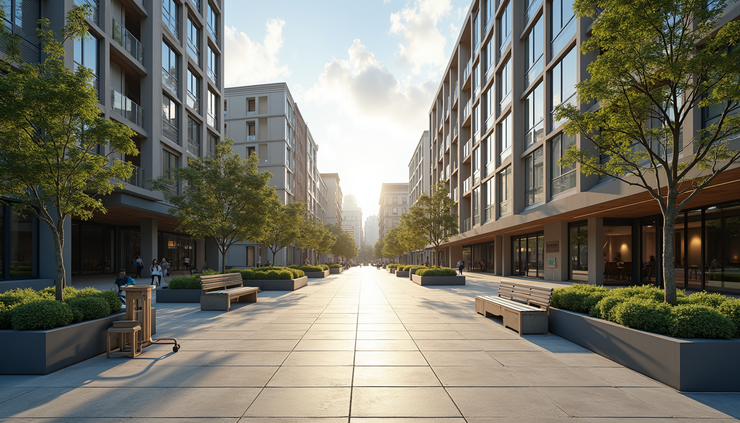
Why Urban Design Outsourcing Is Gaining Momentum
Cities face complex challenges such as rapid population growth, climate change, and infrastructure demands. Outsourcing urban design allows municipalities and developers to:
Access diverse expertise from global talent pools
Manage costs by leveraging competitive pricing
Accelerate project delivery with flexible resources
Incorporate innovative technologies and design approaches
Outsourcing is no longer just a cost-saving measure; it is a strategic tool to enhance urban development quality and responsiveness.
Emerging Trends Shaping Urban Design Outsourcing
1. Integration of Digital Tools and Technologies
Urban design firms increasingly use digital platforms such as Building Information Modeling (BIM), Geographic Information Systems (GIS), and 3D visualization tools. Outsourcing partners that specialize in these technologies can provide:
Accurate site analysis and data-driven planning
Realistic visualizations for stakeholder engagement
Efficient collaboration across distributed teams
For example, a city planning department might outsource GIS mapping to a firm that can quickly analyze traffic patterns and environmental data, informing smarter design decisions.
2. Focus on Sustainable and Resilient Design
Sustainability is a core priority in urban design. Outsourcing firms with expertise in green infrastructure, energy-efficient buildings, and climate adaptation strategies help cities meet environmental goals. This includes:
Designing green roofs and urban forests to reduce heat islands
Planning stormwater management systems to prevent flooding
Incorporating renewable energy solutions into urban layouts
A recent project in Copenhagen involved outsourcing the design of a flood-resilient waterfront park that integrates natural barriers and recreational spaces, demonstrating how specialized firms contribute to resilient urban environments.
3. Collaborative and Participatory Design Processes
Outsourcing partners are adopting more collaborative approaches that involve community input and interdisciplinary teams. This trend includes:
Virtual workshops and public consultations using digital platforms
Co-design sessions with local residents and stakeholders
Integration of social equity considerations into design
For instance, a municipality might hire an urban design firm to facilitate online community engagement sessions, ensuring that diverse voices shape neighborhood redevelopment plans.
4. Specialization in Niche Urban Design Services
As urban design becomes more complex, outsourcing firms are specializing in areas such as:
Transit-oriented development
Smart city infrastructure
Public space activation and placemaking
Specialized firms bring deep knowledge and innovative solutions tailored to specific urban challenges. For example, a developer focusing on transit hubs might outsource design to a firm with expertise in integrating multimodal transportation and pedestrian-friendly environments.
Strategies for Successful Urban Design Outsourcing
Define Clear Project Goals and Scope
Before engaging an outsourcing partner, clarify the project’s objectives, deliverables, and timelines. Clear communication helps avoid misunderstandings and ensures alignment. Use detailed briefs that include:
Site context and constraints
Design priorities and sustainability targets
Stakeholder roles and decision-making processes
Choose Partners with Proven Expertise and Cultural Fit
Evaluate potential firms based on their portfolio, technical skills, and experience with similar projects. Consider their ability to work within local regulations and cultural contexts. Request references and case studies to verify capabilities.
Establish Strong Communication Channels
Maintain regular contact through video calls, project management tools, and shared platforms. Transparent communication fosters trust and allows quick resolution of issues. Schedule milestone reviews to track progress and provide feedback.
Leverage Technology for Collaboration
Use cloud-based design software and data-sharing platforms to enable real-time collaboration. Tools like BIM 360 or ArcGIS Online allow teams to work together seamlessly, regardless of location.
Plan for Knowledge Transfer and Capacity Building
Outsourcing should not create dependency. Include provisions for training local staff and transferring knowledge to build internal capacity. This approach supports long-term sustainability and empowers local stakeholders.
Case Study: Outsourcing Urban Design for a Smart City District
A mid-sized city in Asia partnered with an international urban design firm to develop a smart city district focused on sustainability and technology integration. The outsourcing firm provided:
Data-driven site analysis using GIS and sensor data
Design of energy-efficient buildings with integrated solar panels
Smart mobility solutions including bike-sharing and electric vehicle charging stations
Community engagement through virtual reality simulations
The project was completed ahead of schedule and received positive feedback for its innovative approach and responsiveness to local needs.
Preparing for the Future of Urban Design Outsourcing
Urban design outsourcing will continue evolving as cities face new challenges and opportunities. To stay ahead, stakeholders should:
Invest in digital skills and infrastructure
Foster partnerships that prioritize sustainability and inclusivity
Embrace flexible and adaptive project management methods
Monitor emerging technologies such as AI and augmented reality for design enhancement
By adopting these strategies, cities and developers can harness the full potential of outsourcing to create vibrant, resilient, and livable urban spaces.


Comments